










The global COVID-19 pandemic caused an unprecedented disruption in the education sector, deeply impacting the academic, economic, and social future of nations. In March 2020, as a preventive measure to control the spread of the virus, schools and universities across India were forced to shut down.
Months of uncertainty followed, affecting admissions, board examinations, competitive exams, entrance tests, and academic calendars. The sudden halt in traditional education systems created a critical situation for students, parents, educators, and institutions alike, highlighting the vulnerability of conventional learning models.
Effect of COVID-19 on the Education Sector
The closure of schools and colleges impacted millions of students across India, creating long-term academic, social, and economic consequences. Learning disruptions, mental stress, delayed academic progress, and uncertainty around careers became common challenges for students across all age groups.
The higher education ecosystem was equally affected. International education plans were halted, student mobility declined, and global academic collaborations were disrupted. Employment prospects were also impacted as industries slowed down, affecting campus hiring and graduate employment opportunities.
Change in Teaching Methodology
One of the biggest transformations during the pandemic was the shift from traditional classroom learning to digital education. Institutions rapidly adopted online teaching platforms, virtual classrooms, and digital assessment systems. However, the transition also exposed the digital divide, as many students lacked access to devices, internet connectivity, and e-learning resources.
While digital learning enabled academic continuity for many, it also highlighted the need for inclusive and accessible education systems. Hybrid learning models, Learning Management Systems (LMS), virtual laboratories, and blended learning environments have now become integral parts of modern education delivery.
Policy Makers and the Future of Education
The pandemic forced policymakers and education leaders to rethink traditional education frameworks. The focus shifted towards digital infrastructure, inclusive learning models, teacher training, and technology-driven education systems. Online platforms, open-source learning tools, and national digital education initiatives became essential for sustaining learning continuity.
To ensure long-term stability, the education system now emphasizes innovation, digital transformation, and skill-based learning — preparing students for future careers in a rapidly evolving global economy.
Inclusive Education and Support for Marginalized Communities
COVID-19 also highlighted the importance of inclusive education. Digital learning solutions, mobile-based education platforms, and community learning models are now being developed to reach underserved and remote populations. Technology is playing a crucial role in bridging educational gaps and improving access to quality learning opportunities.
The future of education lies in accessibility, adaptability, and innovation — where learning is no longer limited by geography, infrastructure, or socio-economic barriers.
Conclusion
The COVID-19 pandemic permanently changed the education landscape. It accelerated digital transformation, reshaped teaching methodologies, and redefined learning ecosystems worldwide. While the challenges were significant, the crisis also created opportunities for innovation, reform, and modernization in education systems.
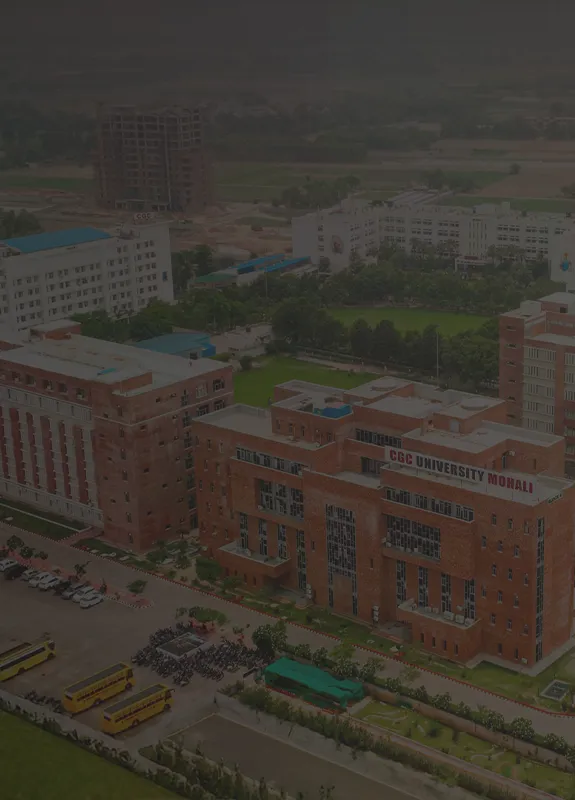
Institutions like CGC University Mohali are embracing technology-driven education, innovation-focused learning, and student-centric academic models to prepare learners for future challenges. Through advanced pharmacy programs, strong academic frameworks, and career-oriented training, the university is shaping resilient, skilled, and future-ready professionals for the post-pandemic world.