









Are you passionate about healthcare and aspire to create a difference in the lives of people? If yes, you've come to the right place. The field of paramedical courses offers a wide range of career opportunities without any need to crack the National Eligibility cum Entrance Test (NEET) to take admissions in these courses.
This blog will explore various paramedical courses that allow you to enter the healthcare industry. We understand that NEET is a highly competitive entrance exam, so we have compiled a list of courses without undergoing a rigorous process NEET.
Whether you've just cleared your 12th class or looking forward to changing career paths, these courses are best for you. We will discuss the eligibility criteria, admission process, course duration, and the skills you can gain from each program.
B.Sc. Medical Laboratory Sciences
CGC University is the Best college for paramedical courses. Here you will find different courses, including B.Sc. Medical Laboratory Sciences. This course will equip students with the necessary knowledge and skills to work in various medical laboratory settings. In this role, you will detect, diagnose and treat diseases by performing laboratory tests and analyzing patient samples.
During this course, you will learn about various laboratory techniques, instrumentation, quality control, and the interpretation of test results. You will also gain in-depth knowledge of disciplines such as clinical biochemistry, haematology, and microbiology. Candidates who have completed their 10+2 education with a background in science (Physics, Chemistry, and Biology) are eligible to apply.
The duration of the B.Sc. Depending on the college, the Medical Laboratory Sciences program is typically three to four years. The curriculum combines theoretical knowledge with hands-on practical training, ensuring you develop the necessary skills to excel in a laboratory setting.
B.Sc. Operation Theatre Technology
B.S.C anesthesia Operation theatre technology is a comprehensive undergraduate program that trains students to assist in surgical procedures and effectively manage the operation theatre environment. As an operation theatre technologist, you will play a crucial role in ensuring the smooth functioning of the operation theatre, maintaining a sterile environment, and assisting surgeons and other healthcare professionals during surgeries.
Throughout the course, you will gain a deep understanding of surgical procedures, sterilization techniques, anaesthesia management, surgical instruments, and the use of advanced medical equipment. In the operation theatre, you will also learn about pre-operative and post-operative patient care, infection control, and emergency management.
The eligibility criteria for B.Sc. Operation Theatre Technology may vary among institutions. Typically, candidates who have completed their 10+2 education with a background in science (Physics, Chemistry, and Biology) are eligible to apply. Some universities may require a minimum aggregate percentage in the qualifying examination.
B.Sc. Optometry
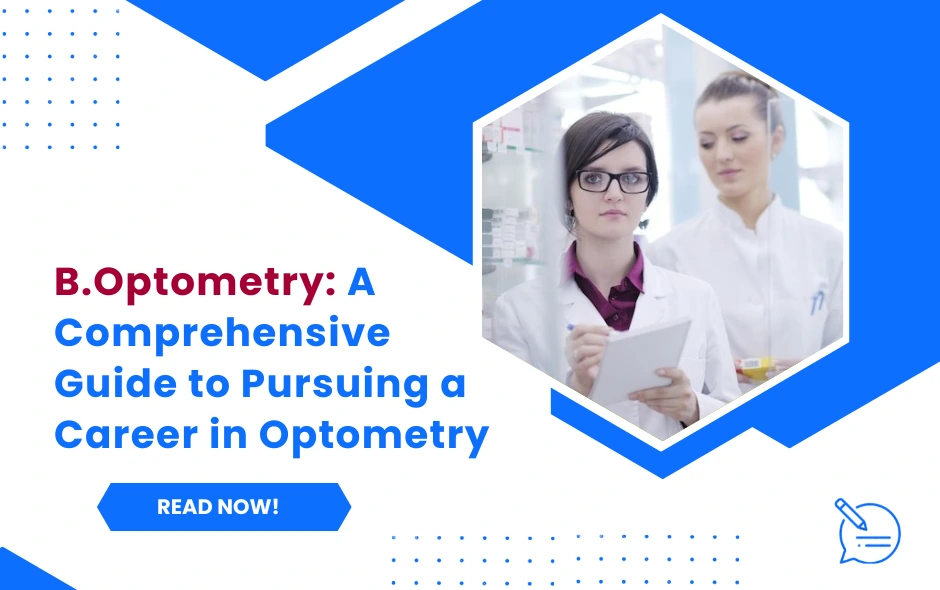
B.Sc. Optometry is an undergraduate program that trains students to become optometrists, professionals specializing in eye and vision care. As an optometrist, you will be crucial in assessing, diagnosing, and managing various eye conditions, prescribing corrective lenses, and providing comprehensive eye care services.
During the course, you will learn about the anatomy and physiology of the eye, visual optics, common eye diseases and disorders, refractive errors, and the use of advanced diagnostic tools and techniques. You will also gain expertise in contact lens fitting, low vision rehabilitation, pediatric optometry, and the co-management of systemic conditions affecting the eyes.
The eligibility criteria for B.Sc. Optometry may vary among university. Typically, candidates who have completed their 10+2 education with a background in science (Physics, Chemistry, and Biology/Mathematics) are eligible to apply. Some universities may require a minimum aggregate percentage in the qualifying examination.
In conclusion
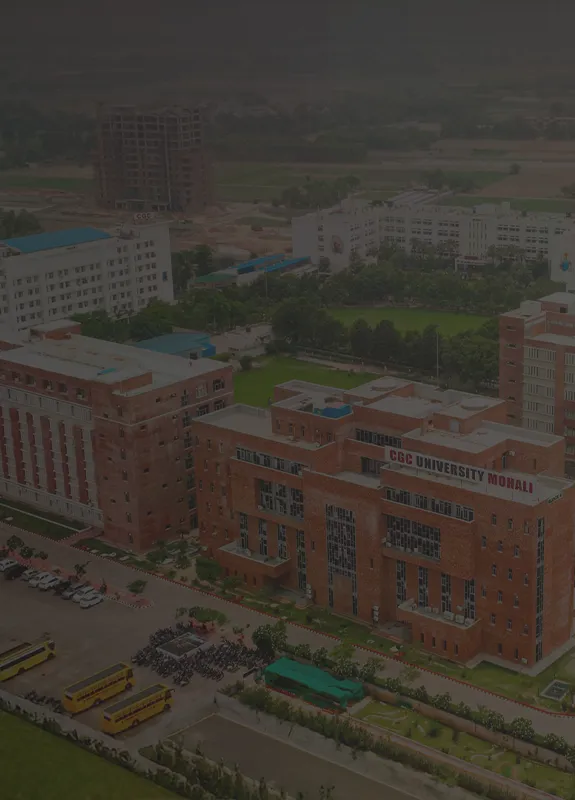
CGC University, mohali is the best college for paramedical courses. Located in University, Punjab, CGC University is a renowned institution that provides quality education and comprehensive training in paramedical sciences.
The college offers various paramedical courses, including B.Sc. Medical Laboratory Sciences, B.Sc. Operation Theatre Technology, B.Sc. Optometry, and many more. These programs are designed to equip students with the necessary knowledge, skills, and practical experience required to excel in their chosen paramedical fields.
CGC University boasts state-of-the-art infrastructure, well-equipped laboratories, and experienced faculty members who are experts in their respective domains. The college focuses on a holistic approach to education, emphasizing theoretical knowledge and practical training to ensure students are well-prepared for real-world challenges.
Frequently Asked Questions About Paramedical Courses Without NEET
Which paramedical courses can I pursue without NEET?
Students can explore paramedical programs such as B.Sc. Medical Laboratory Sciences, B.Sc. Operation Theatre Technology, B.Sc. Optometry, and other allied healthcare programs that may not require NEET. Admission requirements vary by university and course.
Can I pursue a paramedical course after 12th without NEET?
Yes, many paramedical and allied healthcare courses can be pursued after Class 12 without NEET. However, students should check the eligibility and admission requirements of the specific university and program.
Is B.Sc. Medical Laboratory Sciences a paramedical course?
Yes, B.Sc. Medical Laboratory Sciences is an allied healthcare program that prepares students to work in medical laboratory and diagnostic environments.
What can I do after B.Sc. Operation Theatre Technology?
After completing B.Sc. Operation Theatre Technology, graduates can explore opportunities in hospitals, surgical centres, and other healthcare facilities where operation theatre and surgical support services are provided.
What is B.Sc. Optometry?
B.Sc. Optometry is an undergraduate healthcare program focused on eye and vision care. Students learn about eye anatomy, visual optics, refractive errors, eye examinations, contact lenses, and other areas related to vision care.
Are paramedical courses good for a healthcare career?
Yes, paramedical courses can provide specialized career pathways in healthcare. They are particularly suitable for students who want to work in areas such as diagnostics, eye care, operation theatres, and other allied healthcare services.
What subjects are generally required for paramedical courses?
Many science-based paramedical programs generally require students to have studied subjects such as Physics, Chemistry, Biology, or Mathematics in Class 12. However, the exact requirements depend on the course and university.
How long do paramedical courses take?
The duration depends on the program. Undergraduate paramedical and allied healthcare courses are commonly three to four years, including academic and practical training, but students should check the duration of their chosen program.
Do paramedical courses provide practical training?
Yes, many paramedical programs include practical sessions, laboratory work, clinical exposure, or hands-on training to help students apply theoretical knowledge in real healthcare environments.
How should I choose a paramedical course?
Consider your interests, Class 12 subjects, eligibility, course curriculum, practical training, career opportunities, university facilities, and long-term career goals before selecting a paramedical course.