










So you've aced your B.Sc. Forensic Science, and the world of criminal investigation is beckoning. You've unlocked the fascinating world of fingerprints, DNA analysis, and trace evidence, but what now?
Many students think the only path is the dramatic world of crime scene investigation. But the truth is, a forensic science degree opens doors to a surprisingly diverse range of exciting careers. This blog will unveil the multitude of career opportunities after B.Sc. Forensic Science, helping you find the perfect fit for your skills and interests. We'll explore everything from laboratory analysis and digital forensics to research and scientific writing. Get ready to dive into the thrilling world of forensic science and discover where your scientific expertise can take you!
What is meant by Forensic Sciences?
‘Forensic’ is derived from the Latin word ‘forensis,’ which means of or before the forum.
Forensic science is the use of science in criminal investigations and legal issues. It is broad and includes a variety of scientific disciplines, such as chemistry, biology, physics, geology, physiology, and social sciences. Investigations into crimes like rapes, murders, and drug trafficking are all part of forensic science.
Career Opportunities after B.Sc. Forensic Science
1. Direct Forensic Roles
-
Crime Scene Investigators (CSIs): The initial responders, CSIs meticulously collect and document evidence at crime scenes. This role demands keen observation, meticulous attention to detail, and the ability to preserve evidence in potentially chaotic environments.
-
Forensic Laboratory Analysts: The lab is your domain! Analyse material evidence using advanced techniques in various specialisations:
-
Criminalistics Chemists: Analyze blood spatter patterns, identify drugs, or examine gunshot residue using chemistry principles.
-
Toxicologists: They study the complexities of poisons and their effects. They analyse bodily fluids and tissues to detect drugs, toxins, and other chemicals crucial to investigations.
-
DNA Analysts: This central pillar of modern forensics involves extracting, analysing, and interpreting DNA evidence to link suspects to crimes or identify victims.
-
2. Specialised Forensic Fields
-
Forensic Anthropologists: This unique speciality involves identifying human remains. Using your knowledge of skeletal anatomy and archaeology, you can assist investigations and determine details about the deceased, like the cause or time of death.
-
Forensic Pathologists: These medical doctors perform autopsies to determine the cause and manner of death in suspicious cases. Medical expertise and the ability to handle emotionally charged situations are essential.
-
Clinical Forensic Medicine Specialists: These professionals examine living victims of assault or abuse, documenting injuries and collecting evidence for legal proceedings. This path combines medical knowledge with a deep understanding of the legal system.
-
Crime Language Experts (Forensic Linguists): If you have a talent for languages and a keen eye for detail, specialise in forensic linguistics. Analyse written or spoken communication used in criminal activity, like ransom notes or threat letters.
3. Beyond Core Forensics
-
Digital Forensics: Our digital world demands specialists to analyse electronic devices for evidence. To enter this growing field, pursue short courses in computer forensics or cybersecurity.
-
Environmental Forensics: Investigate environmental crimes like pollution or illegal waste disposal. Consider postgraduate programs in environmental science with a forensic focus.
4. Supporting Roles in Forensics
-
Forensic Lab Technicians: Assist forensic scientists in laboratories. Prepare evidence, conduct fundamental analyses, and maintain equipment.
-
Crime Scene Photography: Skilled photographers meticulously document crime scenes using specialised techniques.
-
Forensic Sketch Artist: Using witness descriptions and evidence, create composite drawings of suspects.
Short-Term Courses After B.Sc. in Forensic Science
After your B.Sc. in Forensic Science, short-term courses can be a fantastic way to boost your skillset. These typically range from a few weeks to a few months:
-
Crime Scene Investigation (CSI) Essentials: Learn the fundamentals of processing, collection, and documentation.
-
Fingerprint Analysis: Covers classification, lifting techniques, and analysis methods.
-
Bloodstain Pattern Analysis: Explore the interpretation of patterns to reconstruct crime events.
-
Forensic Toxicology Essentials: Focuses on analyzing bodily fluids for toxins and drugs.
-
Digital Forensics Fundamentals: Basics of electronic evidence collection and data recovery.
-
Other Options: Forensic Photography, Forensic Sketch Artist Training, and Forensic Document Examination.
Deepen Your Expertise: Full-Time Courses
For those seeking advanced knowledge, full-time courses offer a fantastic way to propel your career forward:
Master's Degrees in Forensic Science
This comprehensive program delves deeper into core disciplines like forensic biology, chemistry, and toxicology through laboratory-based coursework and research projects.
M.Sc. Specializations
-
Forensic Toxicology: Expert analysis of biological samples for intoxication cases.
-
Forensic DNA Analysis: Advanced techniques for identification and kinship testing.
-
Digital Forensics: Specialized recovery and presentation of electronic evidence.
-
Forensic Accounting: Investigating financial crimes like fraud and embezzlement.
Postgraduate Diploma in Forensic Science
These programs offer concentrated coursework in a specific area, often requiring less time than a Master's degree
Top Recruiters for B.Sc. Forensic Science
The government and various private sectors require forensic graduates. Top recruiters include:
-
Information Bureau (IB)
-
Bureau of Central Investigation (CBI)
-
Centres for Forensic Science in the Government
-
Army
-
Bureau of Narcotic Control
-
Police Division
-
Law Offices
-
Hospitals
Advance Your Career at CGC University
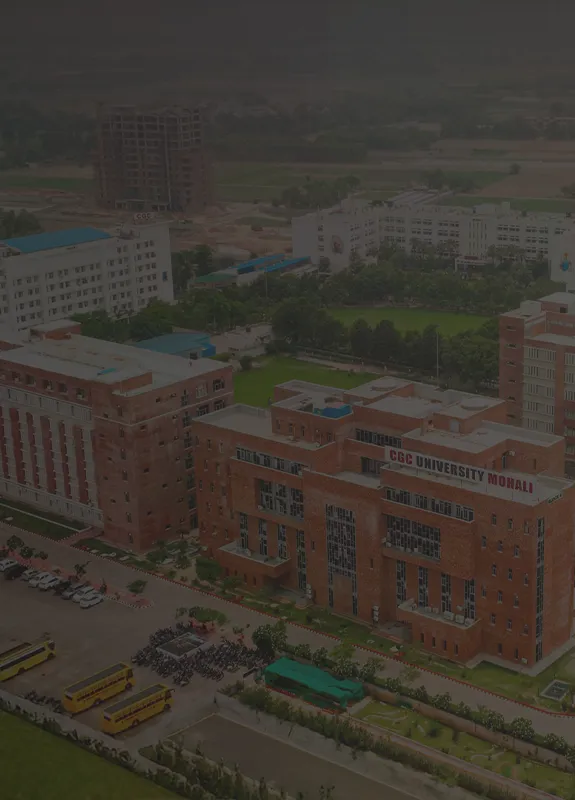
Admissions are now open for B.Sc. Forensic Sciences at CGC University, Mohali. Modern facilities and knowledgeable faculties are present to guide the students and shape their careers. As the Best B.Sc. Forensic Sciences College in Mohali, CGC is intended to give students a strong foundation in scientific techniques, evidence processing, and crime scene investigation.
FAQs
Q. What is the duration of the B.Sc. Forensic Sciences at CGC, University?
Ans. The duration of B.Sc. Forensic Sciences at CGC, University, is 3 years and is divided into six semesters.
Q. What is the role of forensic scientists?
Ans. The evidence from crime scenes is gathered and examined by forensic experts. From DNA sampling to blood pattern analysis, forensic scientists perform them all.
Q. How reliable is a forensic science degree?
Ans. The future of forensic science is bright and profitable. Students can be employed in various firms, such as forensic laboratories, crime investigation divisions, private firms, and even higher education and specialisations.
Q. Does CGC University offer internships and practical training to the students?
Ans. Yes, practical training and internships are part of the curriculum at CGC University, Mohali. These help students gain practical knowledge and theoretical concepts.