










Introduction
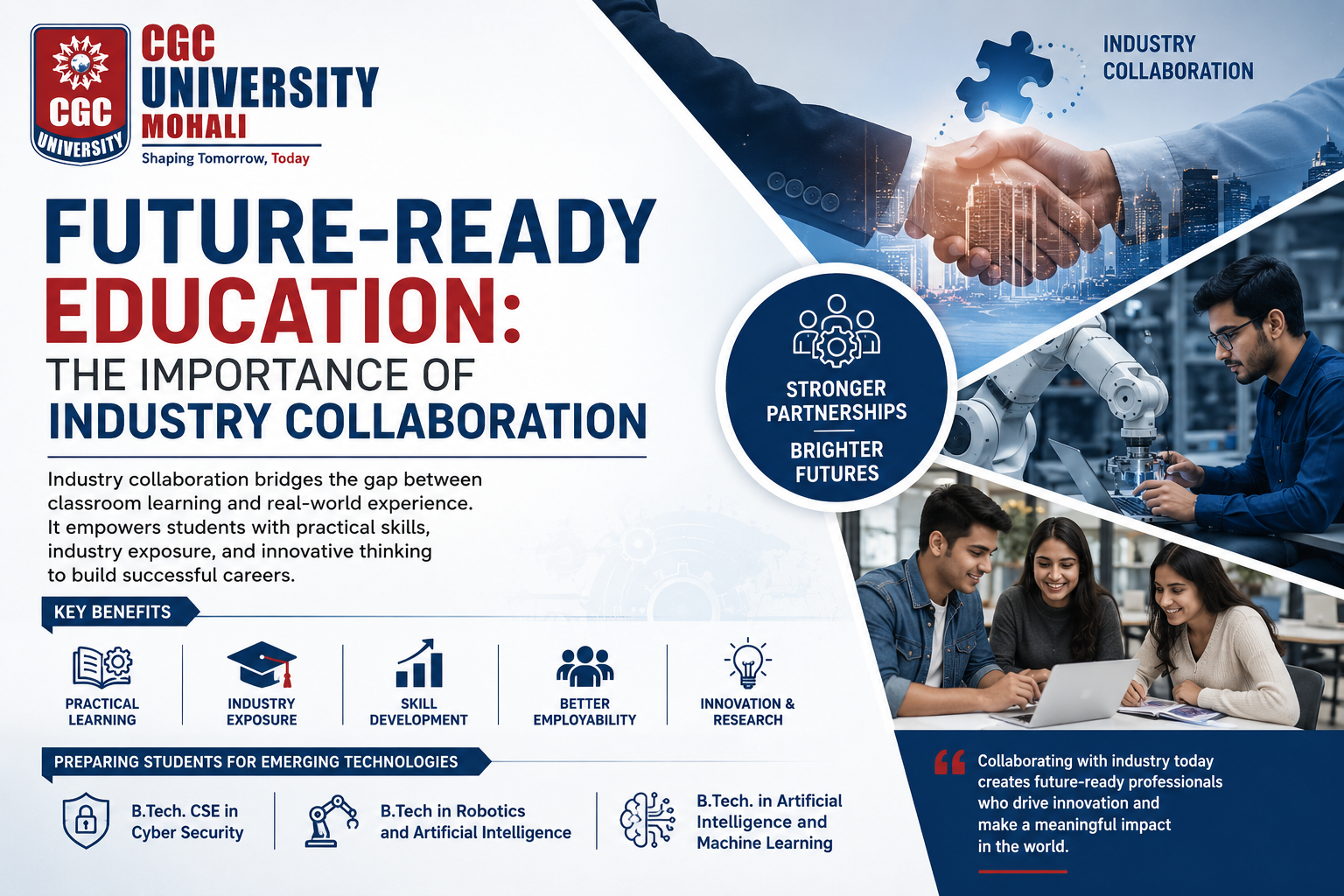
The world of education is changing rapidly as industries continue to adopt new technologies and innovative business practices. Employers today are looking for graduates who possess practical skills, critical thinking abilities, and the confidence to solve real-world challenges from day one. Traditional classroom learning alone is no longer enough to prepare students for competitive careers. This is where industry collaboration plays a vital role in higher education. By connecting academic learning with practical industry experience, universities help students gain relevant knowledge, hands-on exposure, and professional skills that match current market demands. Future-ready education focuses on preparing students not only for today's jobs but also for careers that will continue to evolve with technological advancements.
Why Industry Collaboration Matters in Higher Education
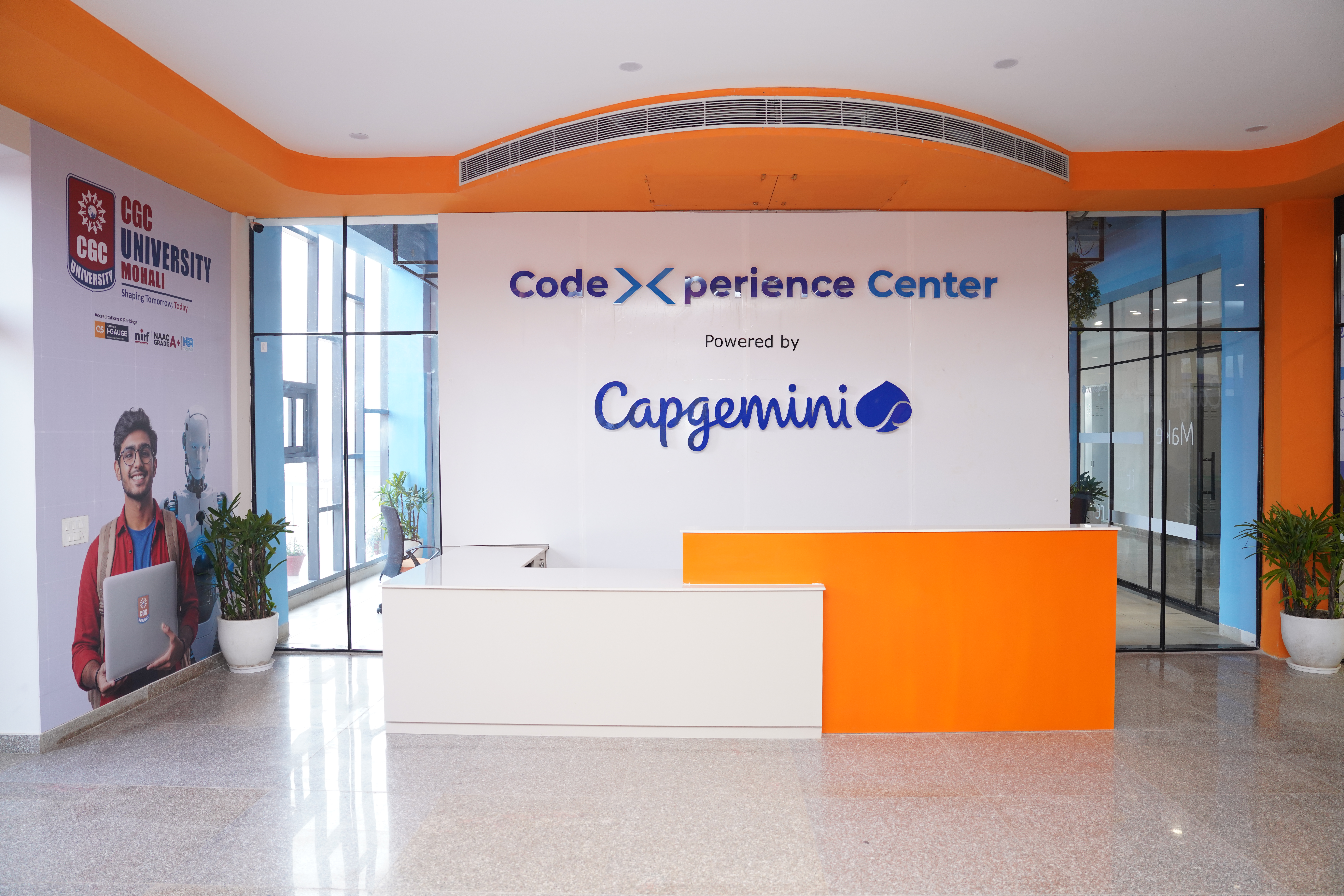
Industry collaboration creates a bridge between theoretical education and practical application. Through partnerships with leading companies, universities can design updated curricula, provide access to modern technologies, and expose students to real business challenges. This approach helps students understand how classroom concepts are implemented in professional environments.
Regular workshops, expert lectures, industrial visits, internships, and live projects allow students to gain valuable insights into workplace expectations. They develop problem-solving skills, communication abilities, teamwork, and professional ethics while learning from experienced industry professionals. Such exposure makes graduates more confident and employable in highly competitive industries.
Building Skills That Meet Industry Expectations
Technology is transforming every sector, making technical and professional skills equally important. Universities that collaborate closely with industry ensure students are trained in the latest tools, software, and emerging technologies. Instead of focusing only on academic performance, students are encouraged to participate in practical assignments, research projects, innovation challenges, and technical competitions.
Industry experts also contribute to curriculum development, ensuring that students learn skills that employers actively seek. This practical approach reduces the gap between education and employment while helping graduates become productive professionals immediately after joining the workforce.
Preparing Students for Emerging Technologies
The demand for professionals with expertise in advanced technologies continues to increase across industries. Universities that maintain strong industry partnerships are better positioned to introduce specialized programs aligned with future career opportunities.
For students interested in digital security, B.Tech. CSE in Cyber Security provides knowledge of ethical hacking, network security, cyber laws, risk management, and digital protection strategies. Practical training through simulations, security labs, and industry case studies prepares graduates to address modern cybersecurity challenges with confidence.
Students who wish to explore intelligent automation can benefit from B.Tech in Robotics and Artificial Intelligence, where they learn about robotics, automation systems, computer vision, intelligent machines, embedded systems, and AI-driven technologies. Industry collaboration enables learners to work on practical projects that reflect real manufacturing and automation environments.
Similarly, B.Tech. in Artificial Intelligence and Machine Learning equips students with expertise in predictive analytics, deep learning, natural language processing, data science, and intelligent software development. Hands-on learning through live projects and industry mentorship allows students to understand how AI solutions are transforming healthcare, finance, education, manufacturing, and countless other sectors.
Enhancing Employability Through Practical Learning
One of the greatest advantages of industry collaboration is improved employability. Employers prefer candidates who have practical exposure alongside academic qualifications. Internship opportunities, industrial training, certification programs, and project-based learning allow students to build professional portfolios before graduation.
Students also develop soft skills such as leadership, communication, adaptability, and teamwork while working with industry mentors. Career guidance sessions, mock interviews, resume-building workshops, and placement preparation further strengthen their confidence during recruitment processes. As a result, graduates become well-prepared to contribute effectively in diverse professional environments.
Encouraging Innovation and Research
Industry collaboration also promotes a culture of innovation and research. Students gain opportunities to solve real industrial problems through research initiatives, innovation labs, startup incubation centers, and collaborative development projects. Working on practical challenges enhances creativity, analytical thinking, and technical expertise.
Faculty members also benefit by staying updated with evolving technologies, ensuring that teaching methods remain relevant to industry requirements. This collaborative ecosystem supports continuous learning and encourages students to develop innovative solutions that create meaningful impact across industries.
Conclusion
Future-ready education goes beyond textbooks by combining academic excellence with practical industry experience. Strong industry collaboration helps students develop technical knowledge, professional skills, innovation, and adaptability needed for long-term career success. As industries continue to evolve through technological advancements, universities that embrace experiential learning prepare graduates to confidently meet future workforce demands. CGC University remains committed to fostering industry-oriented education by providing students with practical exposure, modern learning environments, and opportunities that support successful careers in today's rapidly changing professional landscape.