










Being an engineering graduate can be both challenging and rewarding. You embark on a journey to acquire technical knowledge, analytical thinking, and problem-solving skills. Whether you are starting your engineering degree or have already cleared a few semesters, these tips will help you make the most of your education and career decisions. From developing a strong foundation to managing your time effectively, we will explore essential strategies to enhance your learning experience. Students pursuing B.Tech courses can use these insights to strengthen their technical knowledge and prepare for future career opportunities.
Develop Strong Foundational Knowledge
Engineering is built upon a strong foundation of fundamental concepts. Engineering students should understand the basics of mathematics, physics, and other related subjects before moving on to advanced topics. To develop a strong foundation, dedicate time to studying the basics thoroughly. Review and practise key concepts regularly, seek clarification when needed, and actively engage in coursework. Additionally, leverage resources such as textbooks, online tutorials, and educational platforms to supplement your learning.
Students enrolled in B.Tech Computer Science Engineering can strengthen their programming, logical reasoning, and computational skills by consistently practising fundamental concepts. These skills are essential for understanding advanced subjects and addressing real-world technical challenges.
Ensure Seamless Academic Progression
Engineering programmes typically follow a curriculum that gradually builds upon previously learned concepts. With a strong foundation, engineering students can grasp new material more easily, making the learning process smoother and more efficient. This enables them to tackle advanced topics with greater confidence.For students pursuing B.Tech Electronics and Communication Engineering,understanding basic concepts related to electronics, circuits, and communication systems can make it easier to explore advanced technical subjects. Consistent revision and practical learning help students connect theoretical knowledge with real-world applications.
Strengthen Problem-Solving Abilities
Engineering involves solving complex problems by applying scientific principles and analytical thinking. Developing a strong foundation in subjects such as mathematics and physics enhances problem-solving abilities. Students become better equipped to analyse problems, break them down into manageable components, and formulate effective solutions.
Regular practice, technical projects, coding exercises, and laboratory sessions can help engineering students improve their analytical skills. Applying classroom concepts to practical situations also encourages independent thinking and prepares students to address challenges they may encounter in their professional careers.
Develop Interdisciplinary Understanding
Engineering is an interdisciplinary field that often requires collaboration with professionals from different domains. A solid foundation in various subjects allows engineering students to communicate effectively and understand the perspectives of experts in different fields. This facilitates teamwork and supports a comprehensive approach to problem-solving.
For example, computer science students may work on projects involving electronics, automation, or data analysis. Similarly, electronics students may apply programming concepts to develop embedded systems and smart devices. Exposure to different technical areas helps students broaden their knowledge and identify potential career specialisations.
Adapt to Technological Changes
Technology and engineering practices evolve rapidly. Strong foundational knowledge equips engineering students with the flexibility to adapt to new technologies, emerging trends, and changing industry requirements. By understanding core principles, students can apply their knowledge to new situations and learn unfamiliar tools more effectively.
Keeping up with industry developments, participating in technical workshops, and working on practical projects can help students stay updated. Exploring areas such as artificial intelligence, cybersecurity, cloud computing, and the Internet of Things can also provide valuable insights into emerging engineering career opportunities.
Focus on Continuous Learning and Practical Experience
Building a successful engineering career is an ongoing process. As you progress through your engineering programme, continue to reinforce and expand your foundational knowledge. Participate in internships, complete industry-relevant projects, and develop communication and teamwork skills alongside your technical abilities.
Students should also maintain a portfolio of academic projects and practical achievements to demonstrate their capabilities to potential employers. By combining theoretical knowledge with hands-on experience, engineering graduates can improve their professional readiness and build a strong foundation for long-term career growth.
Begin Your Engineering Journey at CGC University, Mohali
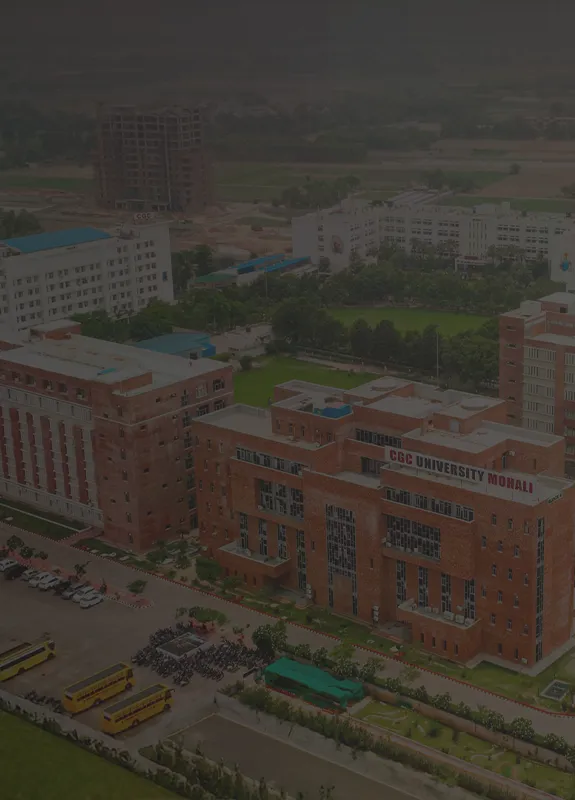
Are you ready to embark on an exciting academic journey in engineering? CGC University, Mohali, offers opportunities for students to develop technical expertise, practical skills, and professional confidence through engineering education.
At CGC University, students can explore engineering programmes such as B.Tech Computer Science Engineering and B.Tech Electronics and Communication Engineering. Learning through academic coursework, practical laboratory sessions, and project-based activities can help students strengthen their understanding of engineering concepts.
With experienced faculty members, modern laboratories, research opportunities, and a learning environment focused on innovation, students can work towards their academic and professional goals.
Take the first step towards a rewarding engineering career. Explore the engineering programmes at CGC University, Mohali, and choose a course that aligns with your interests and future ambitions. Apply now to begin your journey towards becoming a skilled engineering professional.