








Choosing the right career after Class 12 is an important decision that can shape a student's academic and professional future. With opportunities in technology, healthcare, business, finance, law and creative industries, students can choose from a wide range of undergraduate programmes.
The best career options after 12th depend on individual interests, academic strengths and future goals. Science students may consider engineering, computer applications and healthcare, while Commerce students can pursue business management, finance and accounting. Arts students can explore law, psychology, journalism and design.
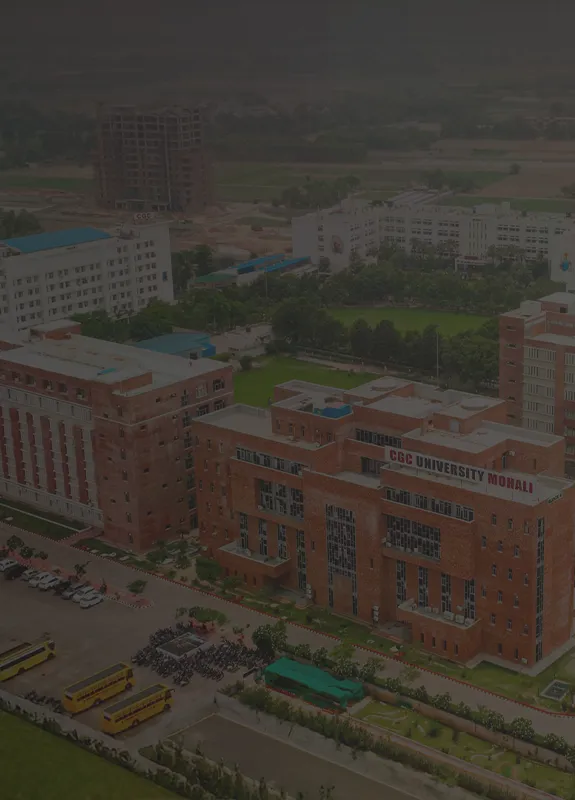
CGC University, Mohali offers undergraduate programmes across these disciplines. Understanding course structures, eligibility requirements and career opportunities can help students make informed decisions about higher education.
Best Courses After 12th
Students should compare undergraduate courses based on their interests, academic background and professional goals. The following table highlights popular options.
| Academic Stream | Popular Undergraduate Courses | Career Opportunities |
|---|---|---|
| Science (PCM) | B.Tech CSE B.Tech CSE (AI & ML) | Software Development, Artificial Intelligence, Engineering |
| Science (PCB) | B.Pharm BPT | Pharmacy, Physiotherapy, Healthcare |
| Computer Applications | BCA BCA (AI & Data Science) | Information Technology, Software Development, Data Analytics |
| Commerce | BBA B.Com (Hons.) | Business Management, Accounting, Finance |
| Arts and Humanities | BA LL.B (Hons.) BA Psychology | Law, Legal Services, Behavioural Research |
| Creative Arts and Media | B.Sc. Fashion Design BA Journalism and Mass Communication | Fashion Design, Journalism, Digital Media |
Eligibility varies by programme. Students should check subject requirements and admission criteria before selecting a course.
Best Career Options After 12th Science
Science students have opportunities in engineering, artificial intelligence, computer applications, pharmacy, healthcare and research. Students with PCM can consider engineering and computing, while PCB students may explore pharmacy and allied health sciences.
1. Computer Science and Engineering
Computer Science and Engineering is a popular choice for students interested in programming, software development and digital technologies. A B.Tech Computer Science and Engineering programme introduces computing fundamentals, programming languages, software systems and technical problem-solving.
Key Learning Areas:
- Programming and Software Development
- Data Structures and Algorithms
- Database Management
- Computer Networks
- Software Engineering
Career Opportunities:
- Software Developer
- Web Developer
- Systems Analyst
- Database Administrator
- IT Consultant
2. Artificial Intelligence and Machine Learning
Artificial Intelligence and Machine Learning are transforming industries through automation, predictive analysis and intelligent systems. Students interested in coding, mathematics and emerging technologies can consider B.Tech CSE in AI & ML.
Key Learning Areas:
- Machine Learning
- Artificial Intelligence
- Data Analysis
- Programming
- Intelligent Systems
Career Opportunities:
- AI Developer
- Machine Learning Engineer
- Data Analyst
- Data Engineer
- AI Research Assistant
3. Cyber Security and Cloud Computing
Cyber Security and Cloud Computing are important areas of modern information technology. Cyber security focuses on protecting systems and information, while cloud computing supports scalable digital infrastructure.
Students interested in these fields can consider B.Tech CSE Cyber Security or B.Tech CSE Cloud Computing.
Career Opportunities:
- Cyber Security Analyst
- Cloud Engineer
- Network Security Specialist
- Cloud Support Associate
- Information Security Analyst
4. Bachelor of Computer Applications
Computer applications provide another pathway into the IT industry. A Bachelor of Computer Applications (BCA) introduces students to programming, databases, software applications and web technologies.
Students interested in emerging technologies can also consider BCA AI & Data Science or BCA AI & Machine Learning.
Career Opportunities:
- Software Developer
- Web Developer
- IT Support Specialist
- Junior Data Analyst
- Database Support Professional
5. Pharmacy
Pharmacy is suitable for students interested in medicines, pharmaceutical research and healthcare. A Bachelor of Pharmacy (B.Pharm) provides knowledge of pharmaceutical chemistry, pharmacology, drug formulation and pharmacy practice.
Career Opportunities:
- Pharmacist
- Quality Control Professional
- Drug Safety Associate
- Pharmaceutical Production Executive
- Research Assistant
Professional pharmacy practice requires meeting applicable registration requirements.
6. Physiotherapy
Physiotherapy focuses on physical rehabilitation, human movement and patient care. Students interested in anatomy, exercise therapy and healthcare can consider a Bachelor of Physiotherapy (BPT).
Career Opportunities:
- Physiotherapist
- Rehabilitation Professional
- Sports Rehabilitation Practitioner
- Clinical Physiotherapy Professional
7. Allied Health Sciences
Allied health sciences provide educational pathways into medical diagnostics, laboratory sciences, imaging technology and patient care. Students interested in healthcare can consider the following programmes.
| Undergraduate Course | Potential Career Opportunities |
|---|---|
| B.Sc. Medical Laboratory Sciences | Medical Laboratory Technologist, Diagnostic Laboratory Professional |
| B.Sc. Medical Radiology and Imaging Technology | Radiology Technologist, Medical Imaging Technologist |
| Bachelor of Optometry | Optometrist, Vision Care Professional |
| B.Sc. Anaesthesia and Operation Theatre Technology | Anaesthesia Technologist, Operation Theatre Technologist |
| B.Sc. Forensic Science | Forensic Laboratory Assistant, Forensic Research Assistant |
Best Career Options After 12th Commerce
Commerce students can build careers in management, finance, accounting, marketing, banking and entrepreneurship. These fields require business knowledge, analytical thinking and communication skills.
8. Bachelor of Business Administration
A Bachelor of Business Administration (BBA) introduces students to business management, marketing, finance, human resources and entrepreneurship.
Key Learning Areas:
- Business Management
- Marketing
- Financial Management
- Human Resource Management
- Business Communication
Career Opportunities:
- Business Development Executive
- Marketing Executive
- Human Resources Executive
- Operations Coordinator
- Entrepreneur
9. Business Analytics and Digital Marketing
Business Analytics and Digital Marketing are relevant to modern business operations. Analytics focuses on using information to support decisions, while digital marketing involves online promotion and customer engagement.
Students interested in these areas can consider BBA Business Analytics or BBA Digital Marketing.
Career Opportunities:
- Business Analyst
- Digital Marketing Executive
- Marketing Analyst
- Social Media Executive
- E-commerce Coordinator
10. Bachelor of Commerce
Students interested in finance, accounting and taxation can consider B.Com (Hons.). The programme introduces financial accounting, economics, taxation and business principles.
Students interested in specialised commerce fields may also consider B.Com Financial Markets, B.Com Auditing & Taxation or B.Com E-Commerce.
Career Opportunities:
- Accountant
- Financial Analyst
- Banking Professional
- Taxation Assistant
- Audit Associate
11. Aviation and Hospitality Management
Students interested in aviation, travel, hospitality and service management can consider undergraduate management specialisations. These fields combine business knowledge with customer service, operations and communication skills.
Relevant programmes include BBA Aviation Management and BBA Tourism and Hospitality Management.
Career Opportunities:
- Aviation Operations Executive
- Hospitality Management Trainee
- Travel Consultant
- Customer Service Executive
- Tourism Operations Coordinator
Best Career Options After 12th Arts
Arts students can pursue careers in law, psychology, journalism, communication, social sciences and design. These fields require creativity, research, communication and analytical abilities.
12. Law
Law is suitable for students interested in legal systems, justice and public policy. Integrated law programmes combine legal education with undergraduate subjects from different academic disciplines.
Students can consider BA LL.B (Hons.), BBA LL.B (Hons.) or B.Com LL.B (Hons.), subject to eligibility.
Career Opportunities:
- Advocate
- Legal Associate
- Legal Researcher
- Compliance Executive
- Corporate Legal Professional
Professional legal practice requires meeting applicable enrolment requirements.
13. Psychology
Psychology focuses on human behaviour, emotions, learning and mental processes. Students interested in behavioural sciences can consider BA Psychology.
Career Opportunities:
- Research Assistant
- Human Resources Associate
- Behavioural Research Assistant
- Community Support Worker
Specialised psychology roles generally require further qualifications and applicable professional registration.
14. Journalism and Mass Communication
Journalism and Mass Communication combines media studies, communication, reporting and digital content creation. Students interested in storytelling and public communication can consider BA Journalism and Mass Communication.
Career Opportunities:
- Journalist
- Content Writer
- Public Relations Associate
- Digital Media Executive
- Media Production Assistant
15. Fashion Design
Fashion design combines creativity, textile knowledge, garment development and visual communication. Students interested in clothing, styling and design can consider B.Sc. Fashion Design.
Career Opportunities:
- Fashion Designer
- Textile Designer
- Fashion Stylist
- Fashion Merchandiser
- Fashion Entrepreneur
16. Fine Arts and Creative Media
Students interested in visual creativity, digital content and artistic expression can consider programmes in fine arts and multimedia.
Relevant academic pathways include BA Fine Arts and B.Sc. Multimedia.
Career Opportunities:
- Visual Artist
- Graphic Designer
- Multimedia Designer
- Creative Content Producer
- Digital Media Professional
Career Options After 12th Without Mathematics
Students who have not studied Mathematics can still pursue several undergraduate programmes. However, eligibility depends on the subjects studied and the admission requirements of each course.
- Management: BBA and selected management specialisations.
- Commerce: B.Com and related programmes, subject to eligibility.
- Law: Integrated law programmes.
- Humanities: Psychology, Political Science and Sociology.
- Media: Journalism and Mass Communication.
- Design: Fashion Design, Fine Arts and Multimedia.
Career Fields and Essential Skills
Along with selecting a course, students should understand the professional skills required in their preferred field.
| Career Field | Relevant Undergraduate Courses | Essential Skills |
|---|---|---|
| Software Development and IT | B.Tech CSE, BCA | Programming, Logical Thinking, Problem-Solving |
| Artificial Intelligence and Data Science | B.Tech AI & ML, BCA AI & Data Science | Data Analysis, Mathematics, Programming |
| Healthcare and Medical Sciences | B.Pharm, BPT, Allied Health Sciences | Scientific Knowledge, Patient Care, Attention to Detail |
| Business Management and Finance | BBA, B.Com (Hons.) | Financial Analysis, Communication, Management |
| Law and Legal Services | BA LL.B (Hons.), BBA LL.B (Hons.) | Legal Research, Critical Thinking, Communication |
| Media, Communication and Design | Journalism, Fashion Design, Fine Arts | Creativity, Communication, Digital Skills |
How to Choose the Right Course After 12th
Students should evaluate their interests, academic strengths and professional goals before selecting an undergraduate programme.
Understand Your Interests
Identify the subjects and activities you enjoy. Personal interest can support motivation and academic progress.
Evaluate Academic Strengths
Consider your abilities in mathematics, science, communication, creativity and analytical thinking.
Compare Course Curriculum
Review programme subjects, practical assignments, projects and academic outcomes before applying.
Research Career Opportunities
Understand the professional roles associated with each degree and any additional qualifications they may require.
Check Eligibility
Review minimum academic requirements and compulsory subjects for your selected programme.
Consider Practical Learning
Evaluate opportunities for projects, internships, workshops and professional skill development.
Why Consider CGC University, Mohali After 12th?
CGC University, Mohali offers undergraduate programmes across engineering, management, computer applications, pharmacy, allied health sciences, law and creative disciplines.
Students evaluating the university can consider:
- Academic Programmes: Undergraduate courses across multiple disciplines.
- Specialisations: Options in technology, business and other professional fields.
- Practical Learning: Opportunities to develop applied knowledge and professional skills.
- Career Development: University resources related to career preparation.
- Student Activities: Academic, cultural and extracurricular opportunities.
- Scholarships: Financial assistance schemes for eligible students.
Admission Process at CGC University
Students interested in undergraduate admission should review the current application instructions and programme-specific eligibility requirements.
- Course Selection: Choose an undergraduate programme aligned with your interests.
- Eligibility: Check academic qualifications and subject requirements.
- Application: Complete the university's official admission process.
- Scholarships: Review applicable financial assistance schemes.
- Verification: Complete required documentation and admission formalities.
Admission dates, fees and selection requirements may vary by programme and academic session.
Scholarships for Undergraduate Students
Scholarships can help eligible students manage the cost of higher education. Students should review the university's current scholarship policies, eligibility requirements and applicable terms before applying.
Conclusion
Choosing among the best career options after 12th requires careful consideration of academic strengths, personal interests and long-term professional goals. Science, Commerce and Arts students can pursue undergraduate programmes that support skill development and career preparation.
Engineering, healthcare, business management, law and creative disciplines offer diverse educational pathways. Students should compare course structures, eligibility requirements and career opportunities before making their decision.
With undergraduate programmes across multiple disciplines, CGC University, Mohali provides academic options for students planning their next step after Class 12.
Frequently Asked Questions
1. What are the best career options after 12th?
Popular options include engineering, computer applications, management, commerce, pharmacy, physiotherapy, law, psychology, journalism and fashion design. The best choice depends on individual interests, academic subjects and career goals.
2. Which course is best after 12th Science?
Science students can consider B.Tech, BCA, B.Pharm, BPT and allied health sciences, depending on their subject combination and eligibility.
3. What are the best courses after 12th Commerce?
BBA, B.Com (Hons.), business analytics and digital marketing are popular choices for students interested in business, management and finance.
4. Which courses are available after 12th Arts?
Arts students can consider law, psychology, journalism, humanities, fashion design and other eligible undergraduate programmes.
5. Can students pursue professional courses without Mathematics?
Yes. Several programmes in management, law, humanities, media and design may be available without Mathematics. Eligibility varies by course.
6. Which courses offer career opportunities in technology?
B.Tech CSE, BCA, AI and Machine Learning, Data Science and Cyber Security programmes can provide pathways into technology-related careers.
7. Are healthcare courses available after 12th?
Yes. Eligible students can consider pharmacy, physiotherapy, optometry, medical laboratory sciences and other allied health programmes.
8. Does CGC University offer undergraduate courses?
Yes. CGC University, Mohali offers undergraduate programmes across multiple academic disciplines, including engineering, management, healthcare, law and design.
9. Are scholarships available at CGC University?
Scholarship opportunities may be available to eligible students under the university's current policies and admission requirements.
10. How can students apply to CGC University?
Students should review the university's current admission instructions, confirm programme eligibility and complete the prescribed application process.