








PCM stands for Physics, Chemistry and Mathematics. It is a popular subject combination for students interested in engineering, technology, artificial intelligence, computer science, aviation, architecture and scientific research.
After completing Class 12 with PCM, students can explore undergraduate programmes in Computer Science Engineering, Artificial Intelligence and Machine Learning, Data Science, Cybersecurity, Cloud Computing, Robotics, Electric Vehicles, Electronics and Mechanical Engineering.
But which PCM course offers the best salary? What are the highest-paying jobs after 12th Science? And which engineering specialisation is right for you?
Quick Answer: Some promising PCM career options with competitive salary potential in India include Software Engineering, Artificial Intelligence, Data Science, Cybersecurity, Cloud Computing and Semiconductor Engineering. The best option depends on your interests, technical skills, qualifications and career goals.
This guide explains the best courses after 12th PCM, course-wise salary estimates, popular job roles, required skills and career opportunities to help students make informed decisions.
What Is PCM? Full Form and Meaning
The full form of PCM is Physics, Chemistry and Mathematics, a subject combination generally studied in Classes 11 and 12.
- Physics: Develops an understanding of mechanics, electricity, energy, motion and engineering principles.
- Chemistry: Builds knowledge of materials, chemical reactions, industrial processes and scientific applications.
- Mathematics: Strengthens logical reasoning, quantitative analysis and problem-solving abilities.
Together, these subjects provide a strong foundation for engineering, computing, mathematics, technology and research.
Why Choose PCM After Class 10?
Choosing PCM provides access to diverse academic and professional pathways.
- Wide Career Opportunities: Explore engineering, computer science, aviation, architecture, research and defence.
- High Salary Potential: Develop specialised skills for competitive roles in software development, AI, cybersecurity and other technical fields.
- Emerging Technology Careers: Explore Robotics, Electric Vehicles, Machine Learning, Cloud Computing and semiconductor technologies.
- Strong Analytical Foundation: Improve mathematical reasoning and scientific problem-solving.
- Higher Education Flexibility: Pursue eligible B.Tech, B.Sc., B.Arch. and other professional programmes.
- Long-Term Professional Growth: Build expertise through internships, technical projects, postgraduate education and continuous learning.
Best PCM Courses After 12th With Salary and Career Opportunities
The following course-wise sections compare popular engineering programmes, representative job roles, indicative salary ranges and important technical skills.
Salary Information: Salaries are expressed in LPA (lakhs per annum). Fresher estimates refer to approximately 0–2 years of experience, while experienced estimates refer to approximately 5–8 years. These are illustrative salary bands, not verified graduate averages, guaranteed offers or CGC University placement statistics.
1. B.Tech Computer Science and Engineering (CSE)
Computer Science and Engineering is one of the most versatile courses after 12th PCM. It focuses on programming, software development, algorithms, computer networks, databases and computing systems.
Graduates can explore opportunities across IT services, software product companies, financial technology, e-commerce and other digital industries.
| Course Details | Information |
|---|---|
| Course | B.Tech Computer Science and Engineering |
| Duration | 4 Years |
| Eligibility | Class 12 PCM, subject to university requirements |
| Fresher Salary (0–2 Years) | ₹3.5–7 LPA |
| Experienced Salary (5–8 Years) | ₹12–25 LPA |
| Popular Job Roles | Software Engineer, Full Stack Developer, Backend Developer, Systems Engineer |
| Important Skills | Python, Java, C++, SQL, Data Structures, Algorithms |
| Career Scope | Software Development, IT Services, FinTech, Cloud Applications |
Who should choose this course? Students who enjoy coding, logical thinking, problem-solving and developing software applications.
2. B.Tech CSE in Artificial Intelligence and Machine Learning
Artificial Intelligence (AI) and Machine Learning (ML) focus on developing intelligent systems capable of recognising patterns, processing information and supporting automated decisions.
This specialisation combines computer science, mathematics, statistics and programming to support applications in healthcare, finance, manufacturing, education and other industries.
| Course Details | Information |
|---|---|
| Course | B.Tech CSE – Artificial Intelligence & Machine Learning |
| Duration | 4 Years |
| Eligibility | Class 12 PCM, subject to university requirements |
| Fresher Salary (0–2 Years) | ₹5–9 LPA |
| Experienced Salary (5–8 Years) | ₹15–30 LPA |
| Popular Job Roles | AI Engineer, Machine Learning Engineer, AI Developer, MLOps Engineer |
| Important Skills | Python, Statistics, Machine Learning, Deep Learning, Linear Algebra |
| Career Scope | Intelligent Applications, Automation, AI Products, Predictive Systems |
Who should choose this course? Students interested in mathematics, programming, intelligent systems and developing AI-powered technologies.
3. B.Tech CSE in Artificial Intelligence and Data Science
Artificial Intelligence and Data Science combines statistical analysis, programming, data management and intelligent computing.
Students learn how data can be analysed to identify trends, support business decisions and develop predictive solutions.
| Course Details | Information |
|---|---|
| Course | B.Tech CSE – Artificial Intelligence & Data Science |
| Duration | 4 Years |
| Eligibility | Class 12 PCM, subject to university requirements |
| Fresher Salary (0–2 Years) | ₹4–8 LPA |
| Experienced Salary (5–8 Years) | ₹12–25 LPA |
| Popular Job Roles | Data Scientist, Data Analyst, Data Engineer, BI Analyst |
| Important Skills | Python, SQL, Statistics, Data Visualisation, Machine Learning |
| Career Scope | Data Analytics, Banking, Healthcare, E-commerce, Business Intelligence |
Who should choose this course? Students who enjoy mathematics, statistics, analysing information and solving data-related problems.
4. B.Tech CSE in Cyber Security
Cybersecurity focuses on protecting digital systems, computer networks, applications and sensitive information from security threats.
Professionals in this field identify vulnerabilities, investigate incidents, assess risks and implement security measures.
| Course Details | Information |
|---|---|
| Course | B.Tech CSE – Cyber Security |
| Duration | 4 Years |
| Eligibility | Class 12 PCM, subject to university requirements |
| Fresher Salary (0–2 Years) | ₹4–7 LPA |
| Experienced Salary (5–8 Years) | ₹12–24 LPA |
| Popular Job Roles | Cybersecurity Analyst, Ethical Hacker, Security Engineer, Penetration Tester |
| Important Skills | Networking, Linux, Security Testing, Cryptography, Python |
| Career Scope | Information Security, Banking, IT Consulting, Digital Infrastructure |
Who should choose this course? Students interested in computer networks, digital security, ethical hacking and protecting information systems.
5. B.Tech CSE in Cloud Computing
Cloud Computing focuses on delivering and managing applications, computing infrastructure and data services through cloud platforms.
Cloud engineers support digital infrastructure, application deployment, system reliability and automation.
| Course Details | Information |
|---|---|
| Course | B.Tech CSE – Cloud Computing |
| Duration | 4 Years |
| Eligibility | Class 12 PCM, subject to university requirements |
| Fresher Salary (0–2 Years) | ₹4–8 LPA |
| Experienced Salary (5–8 Years) | ₹12–25 LPA |
| Popular Job Roles | Cloud Engineer, DevOps Engineer, Cloud Administrator, Site Reliability Engineer |
| Important Skills | AWS, Azure, Linux, Networking, Docker, Automation |
| Career Scope | Cloud Services, IT Infrastructure, Enterprise Technology, DevOps |
Who should choose this course? Students interested in computer networks, cloud platforms, infrastructure management and software automation.
6. B.Tech CSE in Robotics and Artificial Intelligence
Robotics and Artificial Intelligence combines computing, electronics, sensors and control systems to develop intelligent machines and automated technologies.
Applications include industrial automation, manufacturing, logistics and smart devices.
| Course Details | Information |
|---|---|
| Course | B.Tech CSE – Robotics & Artificial Intelligence |
| Duration | 4 Years |
| Eligibility | Class 12 PCM, subject to university requirements |
| Fresher Salary (0–2 Years) | ₹3.5–7 LPA |
| Experienced Salary (5–8 Years) | ₹9–18 LPA |
| Popular Job Roles | Robotics Engineer, Automation Engineer, Robotics Developer, Control Systems Engineer |
| Important Skills | Python, C++, Sensors, Robotics, Control Systems |
| Career Scope | Industrial Automation, Smart Manufacturing, Robotics Software |
Who should choose this course? Students interested in intelligent machines, robotics programming, electronics and automation.
7. B.Tech CSE in Internet of Things (IoT)
The Internet of Things (IoT) focuses on connecting physical devices to networks so they can collect, exchange and process information.
IoT technologies are used in smart homes, healthcare devices, manufacturing, agriculture and industrial monitoring.
| Course Details | Information |
|---|---|
| Course | B.Tech CSE – Internet of Things |
| Duration | 4 Years |
| Eligibility | Class 12 PCM, subject to university requirements |
| Fresher Salary (0–2 Years) | ₹3.5–6.5 LPA |
| Experienced Salary (5–8 Years) | ₹9–18 LPA |
| Popular Job Roles | IoT Engineer, Embedded Developer, Connected Systems Engineer |
| Important Skills | Embedded C, Python, Sensors, Microcontrollers, Networking |
| Career Scope | Smart Devices, Industrial IoT, Connected Infrastructure |
Who should choose this course? Students interested in combining programming with electronics, connected devices and hardware systems.
8. B.Tech CSE in Blockchain Technology
Blockchain Technology focuses on distributed systems, cryptography and shared digital records.
It has applications in selected financial services, enterprise record systems, digital infrastructure and supply-chain technology.
| Course Details | Information |
|---|---|
| Course | B.Tech CSE – Blockchain Technology |
| Duration | 4 Years |
| Eligibility | Class 12 PCM, subject to university requirements |
| Fresher Salary (0–2 Years) | ₹4–8 LPA |
| Experienced Salary (5–8 Years) | ₹10–22 LPA |
| Popular Job Roles | Blockchain Developer, Smart Contract Developer, Distributed Systems Developer |
| Important Skills | Cryptography, Programming, Smart Contracts, Distributed Systems |
| Career Scope | Enterprise Blockchain, Financial Technology, Distributed Applications |
Who should choose this course? Students interested in secure software development, cryptography and decentralised computing. Employment opportunities in this niche can be more variable than in general software engineering.
9. B.Tech Electrical Engineering in Electric Vehicles and Intelligent Mobility
Electric Vehicle Engineering focuses on electrical systems, batteries, power electronics, charging infrastructure and modern automotive technologies.
Intelligent Mobility also involves connected transportation systems and technologies designed to improve vehicle performance and efficiency.
| Course Details | Information |
|---|---|
| Course | B.Tech Electrical Engineering – EV & Intelligent Mobility |
| Duration | 4 Years |
| Eligibility | Class 12 PCM, subject to university requirements |
| Fresher Salary (0–2 Years) | ₹3–6 LPA |
| Experienced Salary (5–8 Years) | ₹8–18 LPA |
| Popular Job Roles | EV Engineer, Battery Systems Engineer, Powertrain Engineer, EV Testing Engineer |
| Important Skills | Electrical Circuits, Power Electronics, Battery Systems, Embedded Systems |
| Career Scope | EV Manufacturing, Automotive Electronics, Charging Infrastructure |
Who should choose this course? Students passionate about electric vehicles, electrical engineering, automotive systems and sustainable transportation.
10. B.Tech Electronics Engineering in VLSI Design and Technology
Very Large Scale Integration (VLSI) focuses on designing integrated circuits used in processors, electronic devices and computing systems.
VLSI professionals work in semiconductor design, chip verification, electronic systems and hardware development.
| Course Details | Information |
|---|---|
| Course | B.Tech Electronics Engineering – VLSI Design & Technology |
| Duration | 4 Years |
| Eligibility | Class 12 PCM, subject to university requirements |
| Fresher Salary (0–2 Years) | ₹4–8 LPA |
| Experienced Salary (5–8 Years) | ₹12–25 LPA |
| Popular Job Roles | VLSI Engineer, Chip Design Engineer, Semiconductor Engineer, Verification Engineer |
| Important Skills | Digital Electronics, Verilog, Circuit Design, Semiconductor Fundamentals |
| Career Scope | Semiconductor Design, Electronics, Embedded Hardware |
Who should choose this course? Students interested in electronics, semiconductor chips, digital circuits and hardware engineering.
11. B.Tech Electronics and Communication Engineering (ECE)
Electronics and Communication Engineering focuses on electronic circuits, communication systems, signal processing and embedded technologies.
The course provides a foundation for careers in electronics, telecommunications, automotive systems and hardware development.
| Course Details | Information |
|---|---|
| Course | B.Tech Electronics and Communication Engineering |
| Duration | 4 Years |
| Eligibility | Class 12 PCM, subject to university requirements |
| Fresher Salary (0–2 Years) | ₹3–6 LPA |
| Experienced Salary (5–8 Years) | ₹8–18 LPA |
| Popular Job Roles | Electronics Engineer, Embedded Engineer, Communication Engineer |
| Important Skills | Circuit Design, Signal Processing, Embedded C, Communication Systems |
| Career Scope | Electronics, Telecommunications, Embedded Systems, Automotive Technology |
Who should choose this course? Students who enjoy Physics, electronic devices, circuits and communication technologies.
12. B.Tech Mechanical Engineering
Mechanical Engineering focuses on the design, production, operation and maintenance of machines and mechanical systems.
It provides opportunities in manufacturing, automotive technology, industrial equipment and product development.
| Course Details | Information |
|---|---|
| Course | B.Tech Mechanical Engineering |
| Duration | 4 Years |
| Eligibility | Class 12 PCM, subject to university requirements |
| Fresher Salary (0–2 Years) | ₹3–5 LPA |
| Experienced Salary (5–8 Years) | ₹7–15 LPA |
| Popular Job Roles | Mechanical Engineer, Design Engineer, Production Engineer |
| Important Skills | CAD, SolidWorks, Thermodynamics, Manufacturing |
| Career Scope | Automotive, Manufacturing, Industrial Engineering, Product Design |
Who should choose this course? Students interested in mechanics, machines, manufacturing and engineering design.
13. B.Tech Civil Engineering
Civil Engineering involves planning, designing, constructing and maintaining infrastructure such as roads, bridges, buildings and water systems.
| Course Details | Information |
|---|---|
| Course | B.Tech Civil Engineering |
| Duration | 4 Years |
| Eligibility | Class 12 PCM, subject to university requirements |
| Fresher Salary (0–2 Years) | ₹2.5–5 LPA |
| Experienced Salary (5–8 Years) | ₹6–14 LPA |
| Popular Job Roles | Civil Engineer, Site Engineer, Structural Engineer, Project Engineer |
| Important Skills | AutoCAD, Surveying, Structural Analysis, Construction Planning |
| Career Scope | Infrastructure, Construction, Urban Development, Engineering Consulting |
Who should choose this course? Students interested in construction, infrastructure, structural design and project management.
14. Integrated B.Tech/M.Tech in Artificial Intelligence and Machine Learning
An integrated B.Tech/M.Tech programme in Artificial Intelligence and Machine Learning combines undergraduate engineering education with advanced study in intelligent computing.
It can provide a pathway for students interested in advanced technical work, specialised software development and research-oriented careers.
| Course Details | Information |
|---|---|
| Course | Integrated B.Tech/M.Tech – AI & ML |
| Duration | Check the current university programme structure |
| Eligibility | Class 12 PCM, subject to university requirements |
| Illustrative Early-Career Salary | ₹5–9 LPA |
| Illustrative Experienced Salary | ₹15–30 LPA |
| Popular Job Roles | AI Engineer, ML Engineer, AI Developer, Research Engineer |
| Important Skills | Python, Machine Learning, Mathematics, Deep Learning |
| Career Scope | AI Applications, Advanced Computing, Research and Development |
Who should choose this course? Students interested in pursuing deeper academic and technical specialisation in Artificial Intelligence and Machine Learning.
Which PCM Course Is Best for You?
The right course depends on your academic strengths, preferred type of work and career ambitions.
| Your Interest | Recommended Course |
|---|---|
| Software and programming | B.Tech CSE |
| Artificial Intelligence | B.Tech CSE (AI & ML) |
| Mathematics and data analysis | B.Tech CSE (AI & Data Science) |
| Computer security | B.Tech CSE (Cyber Security) |
| Cloud platforms and infrastructure | B.Tech CSE (Cloud Computing) |
| Robots and intelligent machines | B.Tech CSE (Robotics & AI) |
| Smart devices and electronics | B.Tech CSE (IoT) |
| Distributed applications | B.Tech CSE (Blockchain) |
| Electric vehicles | B.Tech Electrical Engineering (EV & Intelligent Mobility) |
| Semiconductor chips | B.Tech Electronics Engineering (VLSI) |
| Electronic circuits | B.Tech ECE |
| Machines and manufacturing | B.Tech Mechanical Engineering |
| Construction and infrastructure | B.Tech Civil Engineering |
| Advanced AI studies | Integrated B.Tech/M.Tech (AI & ML) |
PCM Career Options Beyond Engineering
Students with Physics, Chemistry and Mathematics are not limited to engineering degrees.
- Commercial Pilot: Requires applicable academic qualifications, medical fitness, flight training and licensing.
- Architecture: Eligible students can pursue a Bachelor of Architecture through the applicable admission pathway.
- Mathematics and Statistics: Undergraduate degrees can lead towards analytics, actuarial science, research and quantitative careers.
- Defence Services: Eligible students can explore NDA and other defence recruitment pathways.
- Scientific Research: Undergraduate and postgraduate studies can lead towards research-oriented professions.
- Management and Entrepreneurship: Students can pursue eligible business and management programmes.
Some of these careers require additional professional qualifications, entrance examinations or postgraduate education.
How to Choose the Right Course After 12th PCM
Choosing a course requires more than comparing salary estimates. Consider the following factors:
- Identify Your Interests: Decide whether you enjoy coding, mathematics, electronics, machines, research or design.
- Evaluate Your Strengths: Understand which subjects and activities match your abilities.
- Research Career Opportunities: Explore job responsibilities, employment sectors and professional growth.
- Compare Course Curricula: Review the subjects, laboratories, projects and specialisation modules.
- Develop Practical Skills: Participate in internships, technical projects, competitions and workshops.
- Understand Salary Potential: Compare realistic starting salaries and long-term progression rather than exceptional packages.
- Review University Credentials: Consider academic recognition, faculty, infrastructure, fees and verified placement information.
Engineering and Technology Courses at CGC University, Mohali
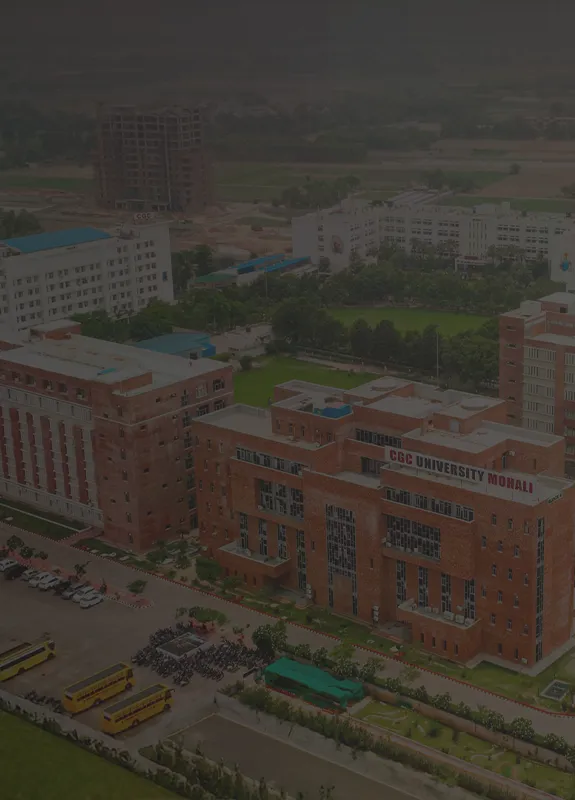
Students exploring PCM career options can review the undergraduate engineering programmes available at CGC University, Mohali.
The university's programme catalogue includes Computer Science Engineering and specialisations in Artificial Intelligence and Machine Learning, Data Science, Cybersecurity, Cloud Computing, Robotics, IoT, Blockchain, Electronics, Electric Vehicles and other engineering disciplines.
Students can compare programmes through the School of Engineering and Technology and the university's complete programme catalogue.
Before applying, students should verify current programme availability, admission eligibility, fees, duration and curriculum through the official university website.
Conclusion
Choosing the right career after 12th PCM involves understanding available courses, salary potential, technical skills and long-term professional opportunities.
From Computer Science Engineering and Artificial Intelligence to Cybersecurity, Robotics, Electric Vehicles and Electronics, PCM students have a wide range of academic pathways to consider.
When comparing PCM career options with salary in India, students should focus on personal interests, curriculum quality, practical experience and career development rather than selecting a programme solely because of its highest advertised salary.
Students interested in engineering and technology education can explore the undergraduate programmes offered at CGC University, Mohali and identify a course aligned with their academic strengths and career aspirations.
Frequently Asked Questions
1. What is the full form of PCM?
PCM stands for Physics, Chemistry and Mathematics. It is a popular subject combination for students interested in engineering, computing, scientific research and mathematics-related careers.
2. Which PCM course offers the highest salary in India?
Courses such as Computer Science Engineering, Artificial Intelligence and Machine Learning, Data Science, Cybersecurity and VLSI Engineering can lead to competitive salaries. However, no course guarantees the highest salary.
3. Which course is best after 12th PCM?
The best course depends on personal interests and academic strengths. Students interested in coding can consider CSE, while those interested in data, security, electronics or machines can explore related specialisations.
4. What is the starting salary after B.Tech CSE?
Entry-level software roles may offer approximately ₹3.5–7 LPA in the illustrative range used in this guide. Actual salaries vary by employer, technical skills and recruitment conditions.
5. Is Artificial Intelligence a high-paying career?
AI can offer competitive salaries, especially for professionals with strong programming, mathematics and machine learning skills. Experience and technical expertise significantly influence earnings.
6. Can PCM students earn ₹10 LPA as freshers?
Yes, some graduates secure packages of ₹10 LPA or more. However, these packages are not guaranteed and should not be treated as typical outcomes for every student.
7. Which PCM course is suitable for students interested in electric cars?
Electrical Engineering with Electric Vehicles and Intelligent Mobility is a relevant option. Mechanical Engineering and Electronics Engineering can also support automotive career pathways.
8. Which PCM course is suitable for students interested in mathematics?
AI and ML, Data Science, Computer Science, Mathematics and Computing, and Statistics-related programmes are worth exploring.
9. Are there career opportunities after PCM without engineering?
Yes. Students can explore architecture, aviation, mathematics, statistics, defence, management and scientific research, subject to eligibility requirements.
10. Which engineering specialisations are available at CGC University, Mohali?
CGC University lists programmes in Computer Science Engineering, AI and ML, Data Science, Cybersecurity, Cloud Computing, Robotics, IoT, Blockchain, Electronics and other engineering fields. Students should review the current programme catalogue for availability and admission details.