










As the realm of forensic science continues to captivate our imagination through crime dramas and real-life investigations, the demand for skilled forensic scientists is on the rise. If you have a passion for solving mysteries and unearthing hidden truths, pursuing a b sc forensic science can be the perfect stepping stone towards a rewarding career in this field. In this blog, we will explore the top b.sc forensic science colleges in mohali, Punjab, where aspiring investigators can acquire the knowledge and expertise necessary to thrive in the world of forensic science.
Students often find it challenging yet exciting to choose the right career path in the field of science, especially when they have choices such as b sc forensic science vs B.Optometry. Both science degrees offer various unique opportunities and distinct career trajectories. But, both programs also cater to different skill sets and interests. In simple words, if you are inclined or intrigued by criminal investigations, and wish to study science behind solving crime incidents, a B.Sc. Forensic Science may be the perfect fit for you. Similarly, if you are passionate about healthcare and eyecare, a career in optometry may help you achieve your desired results and launch a flourishing career.
In this blog, we will compare both the programs in detail so that you can make the right and informed decision regarding the right choice for your career.
Understanding B.Sc. Forensic Science vs B.Optometry: Understanding Both Degrees
A clear understanding of b.s.c forensic science and B.Optometry will help you make the correct decision for yourself. This will enable you to make the right comparison as per your interest, and career goals.
What is B.Sc. Forensic Science?
B.Sc. Forensic Science is an undergraduate degree, which is the combination of science and law, that develops skills important in carrying out investigations to solve criminal cases. During the program, students enhance their knowledge in various scientific disciplines, including biology, chemistry, and toxicology. Their objective is to train students in analyzing evidence gathered from crime scenes. Forensic science is an important tool used in criminal investigations, where professionals use advanced techniques to examine physical evidence like DNA, fingerprints, and drugs. The program helps students gain practical experience in forensic labs, empowering them with the skills needed to contribute to the criminal justice system. In comparison of B.Sc Forensic Science vs B.Optometry, this degree focuses on criminology and investigative science rather than healthcare.
What is B.Optometry?
B.Optometry, a specialized undergraduate program, focuses on the study of eye health and vision care. Students pursuing the B.Optometry program are trained to diagnose, treat, and manage various eye disorders. They get training in prescribing glasses and contact lenses to detecting eye diseases like glaucoma. Topics related to ocular anatomy, visual perception, and clinical practices are part of the program. B.Optometry graduates work in healthcare settings, including hospitals, and optometry clinics. Some graduates also run their own practices. Unlike B.Sc Forensic Science vs B.Optometry, this degree focuses on vision correction, patient care, and preventive eye health.
B.Sc. Forensic Science vs B.Optometry: Course Highlights
B.Sc. Forensic Science focuses on the intersection of science and criminal law, preparing students for careers in criminal investigations, forensic analysis, and law enforcement. B.Optometry, on the other hand, is centered on healthcare, specifically eye care and vision correction, providing a pathway to becoming a licensed optometrist and offering various opportunities in private practice or healthcare institutions.
| Feature | B.Sc. Forensic Science | B.Optometry |
| Course Name | B.Sc. in Forensic Science | B.Optometry |
| Course Duration | 3 years | 4 years |
| Focus | Application of science to criminal investigations. | Eye health, vision care, and optical sciences. |
| Coursework | Includes criminology, toxicology, fingerprint analysis, and forensic biology. | Includes ocular anatomy, visual perception, and clinical optometry. |
| Skill Development | Analytical skills, Attention to detail, Problem-solving, Lab techniques, Crime scene investigation | Patient care, Diagnostic skills, Eye examination techniques, Optical instrumentation |
| Career Paths | Forensic Scientist, Crime Scene Investigator, Forensic Analyst, Toxicologist, Digital Forensics Expert | Optometrist, Eye Care Specialist, Optical Consultant, Vision Therapist, Researcher |
| Eligibility | 10+2 with Science (Physics, Chemistry, Biology/Mathematics) | 10+2 with Science (Physics, Chemistry, Biology) |
| Key Subjects | Criminology, Forensic Biology, Forensic Chemistry, Toxicology, Fingerprint Analysis, Digital Forensics, Forensic Psychology | Ocular Anatomy, Visual Perception, Optics, Contact Lenses, Ocular Diseases, Clinical Optometry Practices |
| Fees (Approx) | INR 50,000 - INR 1,50,000 per year (varies by college) | INR 60,000 - INR 2,00,000 per year (varies by college) |
| Selection Process | Merit-based (through 10+2 marks), or Entrance Exam (in some colleges) | Merit-based (through 10+2 marks), or Entrance Exam (in some colleges) |
Differences Between B.Sc. Forensic Science and B.Optometry
When comparing B.Sc. Forensic Science vs B.Optometry, the differences are clear in terms of focus, career paths, and skill sets. Here’s a breakdown:
-
Field of Study: B.Sc. Forensic Science focuses on the application of scientific methods to solve crimes and assist in criminal investigations. B.Optometry specializes in eye health, visual correction, and the treatment of ocular diseases.
-
Career Focus: Graduates of B.Sc. Forensic Science typically pursue careers in forensic analysis, crime scene investigation, and law enforcement. B.Optometry graduates work as optometrists, diagnosing and treating vision problems, and may operate their own practices.
-
Core Subjects: B.Sc. Forensic Science includes criminology, toxicology, forensic biology, and evidence analysis. B.Optometry covers subjects like ocular anatomy, visual perception, contact lenses, and clinical optometry.
-
Work Environment: Forensic science professionals work in labs, law enforcement agencies, or in the field with crime scene investigators. Optometrists work in healthcare settings such as hospitals, optometry clinics, and retail optical stores.
-
Duration: B.Sc. Forensic Science is typically a 3-year course. B.Optometry usually takes 4 years to complete.
B.Sc. Forensic Science vs B.Optometry: Syllabus
B.Sc. Forensic Science Syllabus:
-
Introduction to Forensic Science: Basic principles, history, and applications in crime investigation.
-
Criminal Law and Procedure: Understanding the legal system and forensic roles in criminal justice.
-
Crime Scene Investigation: Techniques for collecting, preserving, and analyzing evidence from crime scenes.
-
Forensic Biology & Chemistry: Study of biological fluids, DNA analysis, toxicology, and trace evidence.
-
Forensic Toxicology: Analysis of substances like drugs, alcohol, and poisons in criminal investigations.
-
Digital Forensics: Examination of digital devices to recover evidence in cybercrime cases.
-
Forensic Photography and Documentation: Capturing and documenting crime scene evidence.
-
Forensic Psychology: The intersection of psychology and criminal investigation.
B.Optometry Syllabus:
-
Introduction to Optometry: Basics of eye care, vision science, and anatomy of the eye.
-
Ophthalmic Dispensing: Fitting and dispensing eyeglasses and contact lenses.
-
Visual Perception and Physiology: Understanding how the eye processes visual information.
-
Optometric Instrumentation: Use of tools and technologies for eye exams and diagnosis.
-
Clinical Optometry: Hands-on training in diagnosing and treating eye disorders.
-
Refractive Errors and their Management: Treatment of conditions like myopia, hyperopia, and astigmatism.
-
Ocular Diseases: Study of common eye diseases such as glaucoma, cataracts, and retinal disorders.
-
Pediatric Optometry: Special focus on vision care for children.
Career Prospect and Job Opportunities
B.Sc. Forensic Science Career Opportunities:
-
Crime Scene Investigator: Work with law enforcement agencies to collect and analyze evidence at crime scenes.
-
Forensic Scientist: Specialize in various areas such as toxicology, DNA analysis, and fingerprint analysis in forensic labs.
-
Forensic Psychologist: Assist law enforcement in criminal investigations by analyzing suspects’ behavior and mental health.
-
Digital Forensic Analyst: Investigate cybercrimes, recover data from digital devices, and assist in online crime investigations.
-
Toxicologist: Analyze biological samples to detect and interpret poisons, drugs, and other harmful substances in criminal cases.
B.Optometry Career Opportunities:
-
Optometrist: Diagnose and treat vision problems, prescribe corrective lenses, and manage eye health for patients of all ages.
-
Ophthalmic Technician: Assist ophthalmologists by performing eye exams, diagnostic tests, and preparing patients for surgery.
-
Optical Retail Manager: Manage optical shops, including inventory management, customer service, and sales of eyeglasses and lenses.
-
Vision Therapist: Provide non-surgical treatments for visual disorders like amblyopia (lazy eye) and strabismus (crossed eyes).
-
Researcher in Vision Science: Contribute to advancements in eye care by conducting research in clinical settings or academic institutions.
Conclusion: Why CGC University is Best for Both Programs
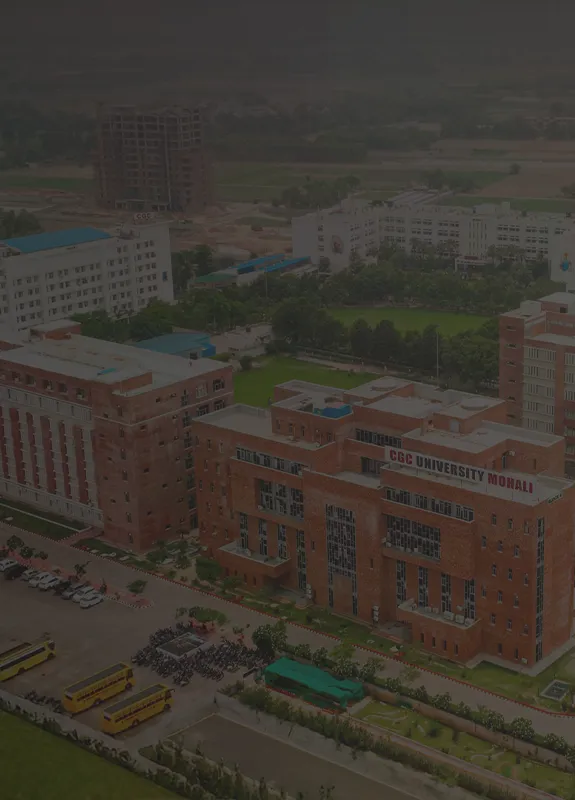
In conclusion, CGC University stands out as one of the top choices for students aspiring to pursue either of these dynamic fields. With state-of-the-art facilities, expert faculty, and a curriculum designed to meet industry standards, CGC University offers an excellent foundation for both B.Sc. Forensic Science and B.Optometry programs.
At CGC University, students benefit from hands-on training, real-world exposure, and the latest technological tools that enhance learning in both forensic science and optometry. The college’s commitment to academic excellence, combined with its industry partnerships, ensures that graduates are well-equipped to excel in their careers. Whether you're interested in the investigative world of forensic science or the healthcare-driven field of optometry, CGC University provides a holistic environment that nurtures talent and prepares students for success.
Frequently Asked Questions
Q1. Is a bachelor’s in forensic science worth it?
Ans. Yes, a bachelor's in forensic science is definitely worth it for those passionate about crime-solving and science. With the growing demand for forensic experts in law enforcement, legal, and private sectors, this degree opens doors to various exciting career opportunities, such as crime scene investigation, forensic analysis, and digital forensics.
Q2. Is optometry a stressful job?
Ans. Optometry can have its stressors, especially when managing patient expectations and dealing with complex eye health cases. However, it is generally considered less stressful compared to other healthcare professions, thanks to its regular working hours, ability to run a private practice, and opportunities for work-life balance.
Q3. Which degree is best for forensics?
Ans. The best degree for forensics largely depends on your area of interest within the field. A B.Sc. in Forensic Science is a great starting point if you’re looking to pursue roles in crime scene investigation, forensic analysis, or toxicology. If you are particularly interested in working with the legal system, a degree in Criminal Justice with a focus on forensics may also be beneficial.
Q4. What major is best for optometry?
Ans. For aspiring optometrists, the best major is usually B.Optometry or a related field such as Biology, Physiology, or Health Sciences. These majors provide a solid foundation in the sciences, particularly anatomy, physiology, and optics, which are essential for optometry school. Some universities also offer specific pre-optometry tracks that prepare students for optometry school and the licensing exams that follow.
In comparison between B.Sc. Forensic Science vs B.Optometry, the decision to choose one entirely depends upon your area of interest and career goals.