











This blog highlights the civil engineering course details. A civil engineering program may be fit for students passionate about civil engineering and wanting to make a career in this dynamic and versatile branch of engineering that focuses on designing, building, and maintaining infrastructure projects.
Civil Engineers ensure that complex projects used by the public in their daily life are executed safely while maintaining all parameters such as safety, strength, and functional systems.
Most educational institutes offer BTech Civil Engineering, a 4-year undergraduate degree program that focuses on construction, structural design, and infrastructure development. It equips students with the technical knowledge and practical skills required for a successful career in the civil engineering field
The civil engineering course is the perfect fit for students who have a passion for problem-solving, have an analytical mind, and are interested in developing real solutions to complex problems of society. Providing specialization options, the field could be a rewarding career for an individual.
In this blog, we will discuss civil engineering course details in depth, including the admission process, eligibility, syllabus, and career options.
Civil Engineering Course Details
Here is the general overview of the civil engineering course details:
| Features | Details |
|---|---|
| Branch | Civil Engineering |
| Degree | BTech, BTech LEET |
| Duration | Four Years, Three Years |
| Eligibility | BTech: Class XII with PCM BTech LEET: Engineering Diploma |
| Admission Process | Entrance Exam, Direct Admission |
| Entrance Exam | JEE Main, JEE Advanced, State-Level Entrance Exams |
| Course Fee | Rs 2 lakh to Rs 8 lakh |
| Scope | Civil Engineer, Structural Engineer, Geotechnical Engineering, Site Engineer, Construction Engineer |
Civil Engineering Admission Process
The admission process for a civil engineering course varies from college to college, but most of the educational institutions follow a similar pattern for admission. Following are the common admission pathways:
| Process | Details |
|---|---|
| Entrance Exams | Most of the institutions offer admission to students on the basis of entrance exam results. Some of the national-level entrance exams are JEE Main and JEE Advanced. Candidates also have the option of taking state-level exams to get admission to the BTech Civil Engineering program. |
| Eligibility | To take the entrance exam, candidates must finish Class 10+2 education with physics, chemistry, and mathematics as primary subjects. The minimum percentage required in Class 10+2 is around 50%. |
| Merit-Based Admission | Some institutions offer admissions on the basis of a candidate’s performance in Class XII or equivalent. There might be chances of securing a seat in a college after scoring high marks in subjects relevant to engineering. |
| Counseling Process | After the declaration of entrance exam results, the next step involves the counseling process. Students attend counseling sessions to select their preferred colleges and courses on the basis of their rank and availability of seats. |
| Reservation Policies | Many colleges have their reservation policies that keep a certain number of seats for specific categories such as SC, ST, and OBC. Some seats are reserved for the economically weaker section. |
Civil Engineering Eligibility
The eligibility criteria generally include education qualifications and entrance exam score. For more specific information, you should review civil engineering course details. Below is the general eligibility requirements for admission to BTech Civil Engineering:
Academic Qualifications: Students need to pass Class XII exams in the science stream with good marks in physics, chemistry, and mathematics. A minimum of 50% aggregate marks are generally required in the qualifying exam. However, this can differ depending upon the institution and its policy.
Entrance Exam Scores: It is one of the main eligibility criteria for securing admission to the BTech Civil Engineering program. Good marks in the entrance exam enhances the chances of getting a good college and the preferred branch of engineering. JEE Main and JEE Advanced, or state-level exams are often essential for taking admission to the course.
Conclusion
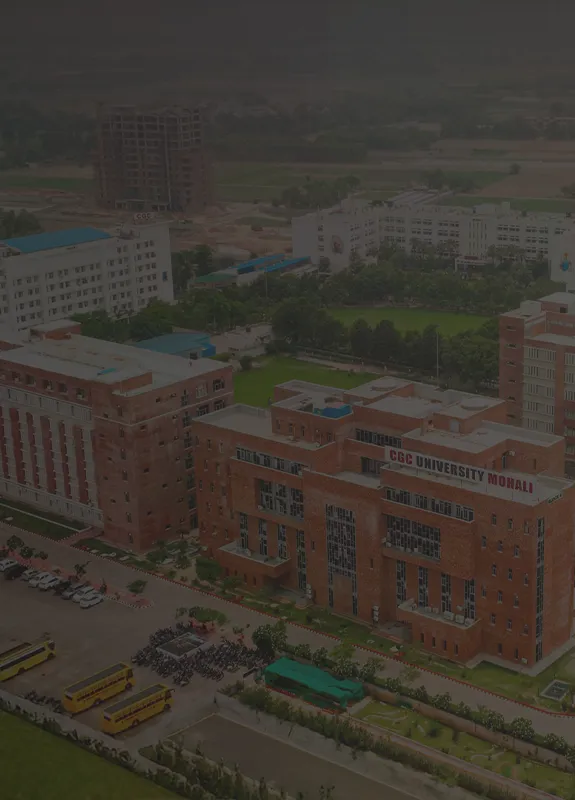
CGC University,Mohali is the best educational institute to pursue BTech Civil Engineering. Its 50-acre lush campus is equipped with modern facilities, including practical labs and an innovation center. Students must explore civil engineering course details at Chandigarh Engineering College.
Reasons to Opt for CGC University
- Focus on Skills: The program at CGC University is designed to equip students with essential skills and strong knowledge required in the field of civil engineering.
- One Step Ahead Approach: CGC University works on adapting to changes in the evolving industry of civil engineering.
- Top-Notch Faculty: The highly qualified faculty at CGC University focuses not only on teaching theoretical concepts but also imparting practical knowledge to students.
- Best Curriculum: The curriculum of the program has been developed to make students proficient in implementing innovative solutions to sophisticated engineering problems.