









The world is an exciting place to live in today, especially in the context of media and communication. Thanks to the rapid growth of digital media, the field of Journalism and Mass Communication has gained global relevance. While the industry witnessed gradual growth in its early years, it has now become one of the fastest-evolving career domains. This naturally raises an important question Is Mass Communication a good career option? Let's explore the answer.
What is Mass Communication?
Mass Communication, also known as communication media, refers to the process of collecting, creating, and delivering information to a large audience through various media channels. Traditional media such as newspapers, radio, and television continue to play an important role, while digital platforms, social media, podcasts, and online news portals have transformed the industry. Today, the world is more connected than ever, making mass communication a highly dynamic and rewarding field.
Reasons to Study Mass Communication
If you are planning to pursue a career in Journalism and Mass Communication, the following reasons will help strengthen your decision:
1. A Career Aligned with Today's Digital World
People are naturally curious about what is happening around them. From breaking news to entertainment, business, politics, sports, and social issues, information is consumed every second. With just a click, audiences can access news from anywhere in the world, making skilled media professionals more valuable than ever.
2. Diverse Learning Opportunities
A Bachelor's degree in Journalism and Mass Communication provides a perfect blend of theoretical knowledge and practical exposure. Students get opportunities to participate in research projects, media production, internships, news reporting, content creation, and communication campaigns that enhance their industry readiness.
3. Exposure to a Multicultural Environment
Journalism brings together people from diverse educational, cultural, and professional backgrounds. Students interact with individuals from different communities and industries, helping them develop strong communication skills and a broader perspective of society.
Career Opportunities After a Journalism and Mass Communication Degree
Many people believe that a degree in Journalism and Mass Communication limits career opportunities. However, this is a common misconception. The field offers diverse career paths across media, communication, advertising, entertainment, and digital platforms.
Some of the popular career options include:
Media Planner
Media Planners develop strategic advertising plans by selecting the most effective media platforms for promoting products and services. They work closely with advertising agencies and marketing teams.
Radio Broadcaster
Although one of the oldest forms of media, radio remains relevant today. Radio broadcasters present news, music, entertainment, interviews, and discussions for audiences across different regions.
Filmmaking
Filmmaking is one of the most exciting career options in the media industry. Professionals work on documentaries, advertisements, digital content, short films, television productions, and web series.
Public Relations Manager
Public Relations (PR) Managers build and maintain the positive image of organizations through media relations, public campaigns, press releases, corporate communication, and branding activities.
Multimedia Specialist
Multimedia Specialists design and develop digital content, websites, animations, videos, graphics, mobile applications, and interactive media solutions using advanced technology.
What Does It Take to Become a Journalist or Media Professional?
In India, obtaining a professional degree is one of the first steps toward building a successful career in journalism. Pursuing a Bachelor of Journalism and Mass Communication degree (BAJMC) from CGC University, Mohali provides students with the academic knowledge and practical training required by the industry.
A journalist's primary responsibility is to keep the public informed with accurate, relevant, and timely news. Journalists report on current affairs, local events, politics, sports, entertainment, business, and social issues. They also conduct interviews, verify facts, investigate stories, and present information with clarity and responsibility.
A successful journalist should always be unbiased, ethical, and impartial. Understanding multiple perspectives, asking meaningful questions, verifying information, and reporting facts fairly are essential qualities for every media professional.
Challenges in Journalism
Journalism is a competitive profession with many talented and highly qualified individuals entering the industry every year. Therefore, students should be prepared to continuously upgrade their skills and adapt to changing media trends.
The profession may also involve:
- Flexible and sometimes unpredictable working hours.
- Covering live events, protests, elections, accidents, and emergencies.
- Reporting from challenging environments such as natural disasters, conflict zones, or public health crises.
- Working under deadlines while maintaining accuracy and credibility.
If you aspire to become a journalist, you should possess strong writing, communication, observation, analytical thinking, and presentation skills. You should also decide whether you are more interested in broadcast journalism, print journalism, digital journalism, or multimedia journalism, as today's media professionals often work across multiple platforms.
Why Choose CGC University Mohali for Journalism and Mass Communication?
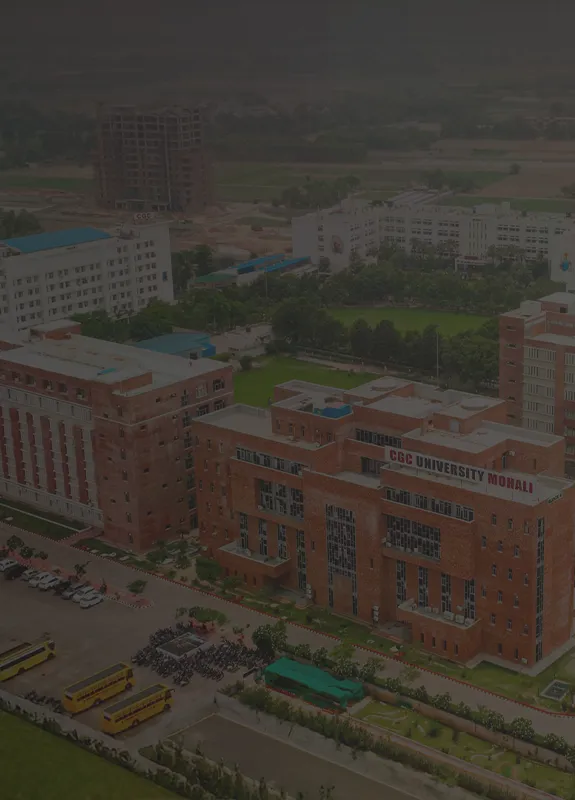
CGC University, Mohali is one of the leading universities in North India, recognized for its academic excellence, industry-oriented curriculum, modern infrastructure, and outstanding placement opportunities. The university has built a strong reputation by delivering quality education and preparing students for successful careers across various industries.
Students pursuing Journalism and Mass Communication at CGC University Mohali benefit from:
- Industry-focused curriculum aligned with current media trends.
- Practical learning through studios, media labs, workshops, and live projects.
- Expert faculty with academic and industry experience.
- Industrial visits, internships, seminars, and guest lectures.
- Skill development programs that make students industry-ready.
- Excellent placement assistance with leading media and communication organizations.
Thousands of students from CGC University Mohali have secured placements in reputed companies across different sectors with competitive salary packages. The university also encourages innovation, research, and experiential learning, enabling students to build successful careers.
If you aspire to build a rewarding career in Journalism, Mass Communication, Digital Media, Public Relations, or Multimedia, pursuing a Bachelor of Arts in Journalism and Mass Communication (BAJMC) at CGC University Mohali can provide the right platform to achieve your career goals.